
Emu Oil for Oral Health: Could It Calm Gums Better Than You’d Expect?

Puffy gums, a little blood after brushing, and a nagging ache along the lower molars that just won’t quit. You have switched toothpastes, flossed more carefully, maybe even dabbed coconut oil along the gumline, and still nothing fully settles.
Then someone in a wellness group mentions emu oil for oral health, and you wonder if it’s worth a try or just another trend.
Emu oil is best known in skin care, but its anti-inflammatory fatty acids have pulled it into the oral wellness conversation, specifically for soft gum tissue rather than teeth. The honest version is that it may soothe irritated gums, but it won’t rebuild enamel or replace brushing.
In this guide, you’ll learn which fatty acids make emu oil interesting for gums, where it may genuinely help with tenderness, how to choose a safe and pure product, and where it fits in a complete oral care routine.
Why Emu Oil Entered the Oral Care Conversation
Emu oil moved from skin care into oral wellness mostly because its fatty acid profile resembles the lipids in human skin. That similarity draws attention to how it might act on soft oral tissue.
The Fatty Acid Profile That Matters for Gums
Emu oil is rendered fat from the emu, and it’s rich in anti-inflammatory fatty acids: oleic acid (omega-9), linoleic acid (omega-6), and palmitic acid, which together make up about 70 to 80 percent of the oil.
Research on omega-3 and inflammation shows these fats help manage the inflammatory response, which matters at the gumline where tissue takes constant pressure from bacteria and friction.
| Fatty Acid | Emu Oil (approx.) | Coconut Oil (approx.) | Sesame Oil (approx.) |
|---|---|---|---|
| Oleic Acid (Omega-9) | 40-50% | 5-8% | 35-45% |
| Linoleic Acid (Omega-6) | 15-20% | 1-3% | 35-45% |
| Palmitic Acid | 20-25% | 8-10% | 7-12% |
| Lauric Acid | under 1% | 45-52% | under 1% |
Coconut oil wins on lauric acid and its antimicrobial perks, but emu oil offers a broader anti-inflammatory spread, which is likely why people credit it with calming irritated tissue.
Absorption and Why It Matters in the Mouth
People often note how readily emu oil sinks into tissue. Skin studies show it penetrates outer layers faster than many plant oils, and gums are mucous membranes, which are even more absorbent.
That lets the fatty acids reach deeper layers, which matters more for inflamed or receding gums than simply coating the surface. Lab work on emu oil and inflammation found it lowered markers tied to tissue damage, hinting at effects beyond moisture.
Where the Evidence Is Still Thin
Most emu oil research looks at skin, wound healing, or intestinal tissue, not the inside of the mouth, and there are no large clinical trials on oral use.
The same inflammation pathways overlap with gum disease, so the mechanism is plausible, but emu oil is best treated as a supportive tool, not a fix for conditions like periodontitis.
Emu Oil for Oral Health: Where It Helps Gums Most
If there’s a case for emu oil in your mouth, it’s with gum tissue, not teeth. The fatty acid mix and quick absorption suit soft-tissue support better than enamel repair.
Supporting Irritated or Bleeding Gums
Bleeding gums usually signal inflammation. Bacteria at the gumline trigger an immune response, and the swelling leaves tissue fragile. The oleic and linoleic acids in quality emu oil may help calm that inflammation right where it starts, and because the oil absorbs without a thick greasy film, it stays put.
People in natural health circles often report less tenderness within a few days, though results vary. Daily hygiene is still the main defense; emu oil only adds soothing support.
The Oral Microbial Environment
Your mouth hosts hundreds of bacterial species, and keeping that balance helps prevent disease.
Emu oil isn’t a strong antimicrobial like coconut oil, but by easing inflammation and supporting healthier tissue, it may make it harder for harmful bacteria to take hold. It’s more about strengthening the terrain than attacking the invaders.
A Simple Daily Gum Routine
- Put a drop or two on clean fingertips
- Gently massage along the gumline after brushing
- Let it soak in for a few minutes before eating or drinking
- Use once or twice a day for a couple of weeks before judging results
If your gum issues go beyond mild irritation, you’ll still need a dentist. That leads to the next question: what about sensitive teeth?
Emu Oil, Sensitivity, and What It Can’t Do
Sensitivity drives many people to natural care, and emu oil has a narrow but real role in the tissue around sensitive teeth.
Why Sensitivity Is More Than Enamel
People blame thin enamel, but gum recession is just as common. When gums pull back, they expose cementum and dentin, whose tiny tubules lead straight to the nerve, so heat, cold, or acid can sting.
Bone health matters too, since the bone anchoring your teeth can weaken without enough fat-soluble vitamins. Calming gum inflammation can help tissue hug the tooth more closely, which may indirectly reduce exposure. Emu oil doesn’t numb nerves or coat enamel; it just helps the surrounding tissue stay healthier.
Why Emu Oil Isn’t a Remineralizer
Emu oil supports soft tissue, not hard tissue. It lacks the minerals needed to rebuild tooth structure, so it can’t remineralize enamel.
That job belongs to ingredients like hydroxyapatite or calcium phosphate that bond with the tooth surface. Each tool has its place, and knowing which does what is how you build a routine that works.
Choosing and Using Emu Oil Safely
Not all emu oil is the same, and a low-quality product isn’t worth the risk in your mouth. For oral use, you want oil that is both properly sourced and fully refined, since unrefined oil can still carry proteins and contaminants. Good refining removes those while keeping the fatty acids you want.
When shopping, look for these signs of quality:
- American Emu Association Certified Fully Refined label
- Clear, pale yellow oil with no strong smell
- Third-party lab testing for contaminants
- No added scents, dyes, or fillers
- Dark glass bottles to limit oxidation
Skip emu oil lotions or blends for oral use, and stick with single-ingredient, fully refined oil. If the label doesn’t spell out the refining process, ask before using it on your gums.
How Emu Oil Fits a Broader Routine
Emu oil is one piece of the puzzle. The best natural routines blend approaches based on what each ingredient does best.
Diet and Saliva Still Matter Most
No oil replaces the basics. Minerals like calcium and phosphorus reach your teeth through saliva, but only if your diet supplies enough, and fat-soluble vitamins A, D, and K2 help those minerals actually reach bone and teeth.
Saliva balances pH and clears debris all day, so hydration and steady eating habits do more than any single product. Some people round out nutrition with whole-body foods, and the cacao for oral health conversation follows the same pattern: no one food does everything.
Each Tool’s Job
| Tool | Primary Role | Best For |
|---|---|---|
| Emu oil | Anti-inflammatory soft-tissue support | Gum tenderness, tissue comfort |
| Ozonated oil pulling | Microbial reduction, plaque control | Oral hygiene, gum health |
| Remineralizing toothpaste | Enamel rebuilding | Cavity prevention, sensitivity |
| Fat-soluble vitamins A, D, K2 | Mineral delivery to teeth and bone | Bone and enamel strength |
These tools don’t replace each other. Ozonated oil pulling goes after bacteria, emu oil comforts tissue, a remineralizing toothpaste supports enamel, and good nutrition feeds the whole system.
Where Emu Oil Fits in Your Oral Care Routine
Emu oil brings something specific: it soothes inflamed gum tissue with deeply absorbed anti-inflammatory fats. It won’t rebuild enamel, kill bacteria, or replace brushing and dental visits. Instead, it fills a gum-support gap most natural products miss.
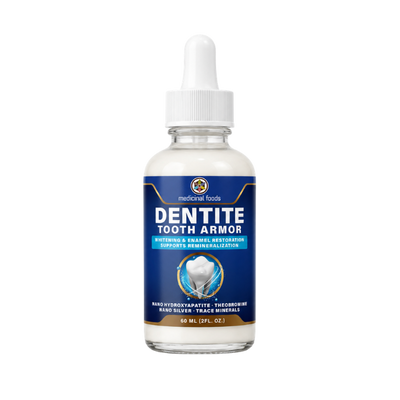
Your teeth and gums need a full system, with emu oil nourishing soft tissue while a mineral product handles enamel. If you want to pair it with enamel support, Dentite Tooth Armor is a lab-tested, non-GMO nano-hydroxyapatite brushing booster for enamel, with customer results including customer-reported improvements.
Explore the gum and enamel care range from Medicinal Foods and subscribe to save 10 percent on your first order.
Frequently Asked Questions
Can you use emu oil inside your mouth, or should you stick to the gums?
You can use it in your mouth, but applying it directly to the gums works better than swishing. Swishing spreads the oil thin and makes it easy to swallow more than you mean to. Massage a drop or two onto your gums instead.
How do you apply it without making a mess or swallowing too much?
Put a drop on a clean fingertip and gently press it along the gumline, back to front. Tilt your head slightly forward to keep extra oil away from your throat, then wait a couple of minutes before rinsing.
Does it actually soothe irritated gums or dry mouth?
Many people in natural health circles say it calms gum tenderness within a few days of daily use. For dry mouth, it adds some moisture but won’t boost saliva, so you’d still need to hydrate and adjust your diet.
How do you pick a clean, lab-tested emu oil for oral use?
Look for American Emu Association certification, which signals high refining and purity standards. Choose single-ingredient, fully refined oil in a dark glass bottle, and ask for third-party lab results before buying.
Any side effects or allergy risks to watch for?
Most people tolerate emu oil well, but avoid it if you’re allergic to poultry or birds. Do a patch test on your wrist first, and stop if you notice itching, swelling, or irritation.
Shop this article
Keep reading

Diet and Tooth Enamel Health: Foods That Support Stronger Teeth
Keep reading to learn how the acid and mineral cycle in your mouth works, which minerals actually strengthen enamel, the best foods for oral health, and which acidic and sugary...

Cavities and Natural Enamel Support: What Can Actually Remineralize?
This guide ranks the natural ingredients with the most research behind them for remineralizing early enamel demineralization, from the strongest evidence to the most situational, so you know where to...

Ozonated Oil Pulling Benefits: Is Ozone Worth The Upgrade?
In this guide, you’ll learn what ozonation actually does to a carrier oil, how it benefits teeth, gums, and breath differently than plain oil, what the research supports so far,...